
Discover Armenia

-
The ancestors of modern Armenians settled in the area of Mount Ararat, in the late 3000s BC. Early in the 1st century BC Armenian King Tigranes the Great formed an empire that stretched from the Caspian Sea to the Mediterranean. In the 1st century AD a Parthian-Roman treaty installed the Parthian Arsacid dynasty as rulers of Armenia, the Arsacid dynasty fell to the Sassanids in the early 3rd century. The Roman Empire restored the Arsacids to power, crowning Tiridates III as King of Armenia. Tiridates converted to Christianity in the early 4th century and established a state church.
The Byzantine and Persian empires divided Armenia in the late 4th century, but in the early 7th century all of Armenia came under Byzantine rule. In 885, Ashot I, became the sovereign of an independent Armenian kingdom. This period of Armenian independence ended with the conquests of a resurgent Byzantine Empire under Basil II, who ruled from 976 until 1025. Invasions by the Seljuk Turks brought most of Armenia under Turkish control by 1071.
In the 13th century Armenia fell to the Mongols, who ruled until the early 15th century. The Ottoman Empire conquered most of Armenia in the 16th century. By the late 1820s the area of present-day Armenia had become part of the Russian Empire, while the rest of historic Armenia remained part of the Ottoman Empire.
The worst atrocities against Armenians occurred in the Ottoman Empire during World War I (1914-1920), when widespread deportations and massacres eliminated nine-tenths of the Armenians in Anatolia (present-day Asian Turkey).
In May 1918 the Armenian Republican Federation proclaimed an independent Armenian State that encompassed most of the Armenian lands included in the former Russian Empire. In early 1921 the Bolsheviks took complete control of the government and Armenia became one of the republics of USSR.
In December 1988 northern Armenia was devastated by an earthquake that killed 25,000 people and left more than 400,000 homeless.
Toward the end of 1989 the Armenian Supreme Soviet declared Nagorno-Karabakh to be part of Armenia. The Soviet authorities did not support the declaration, ruling it was unconstitutional.
In September 1991 Armenian residents voted overwhelmingly to secede from the USSR, and the Armenian Supreme Soviet declared Armenia's independence.
Géography of Armenia

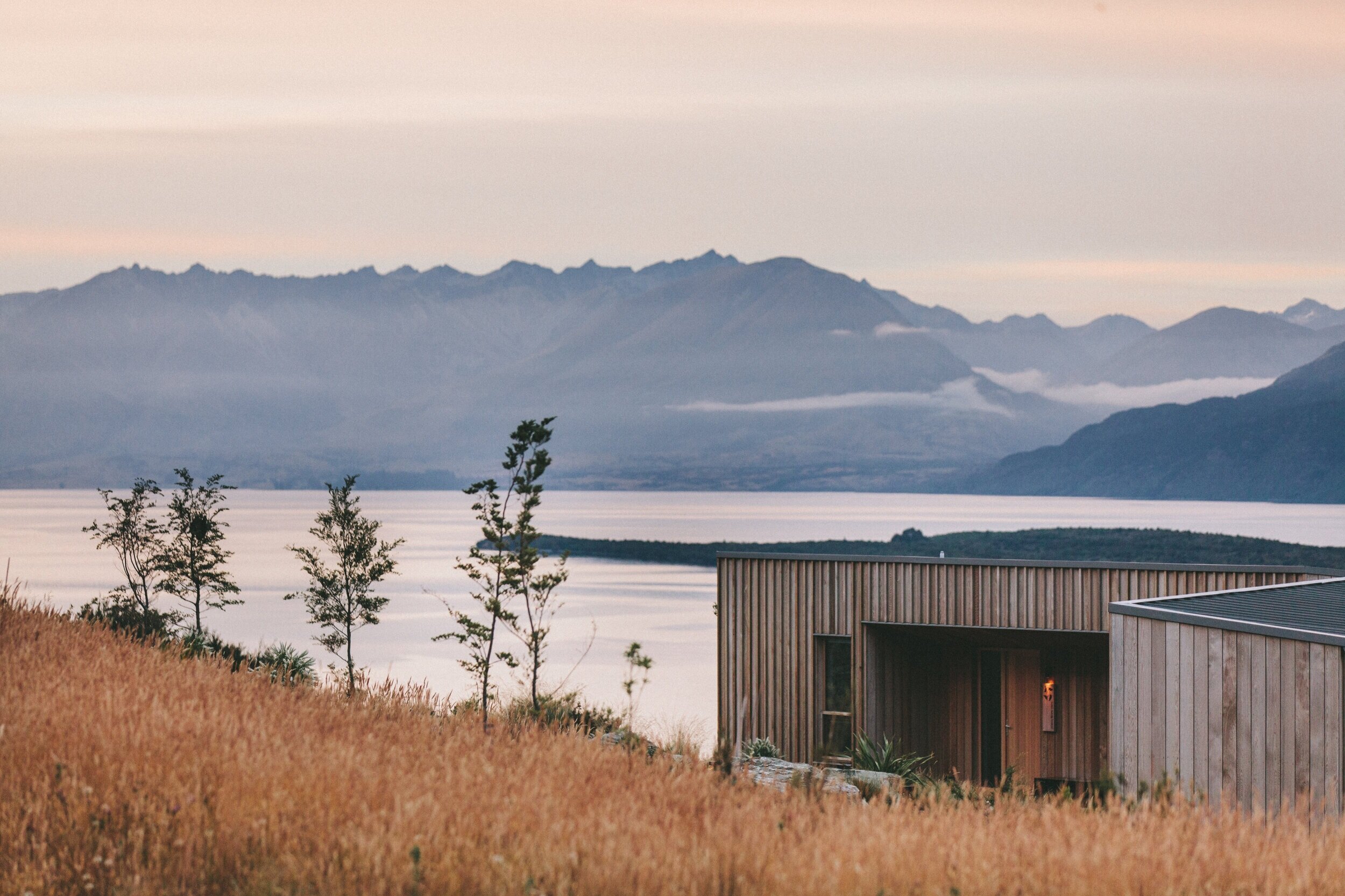
The Armenian Republic is located in Transcaucasia (South Caucasus), bordered by Georgia on the north, Azerbaijan on the east, Iran on the south, and Turkey on the west. Yerevan is the capital city. Armenia is a mountainous country occupying about 29,800 sq km (about 11,500 sq miles) of the north eastern portion of the Armenian Highland. The average elevation is about 1,800 m (about 5,900 ft) above sea level. Mount Aragats is the highest point 4,090 m (13,419 ft). The Republic contains several mountain lakes, the largest is Lake Sevan, located in the north east about 1,900 m (6,200 ft) above sea level. The Armenian climate is dominantly dry and continental, with long, hot summers and moderate winter.

People of Armenia
Armenia has had three major artistic periods, from the 5th century to the 7th century, during the 9th and 10th centuries, and from the 12th century to the 14th century. Armenian folk arts include rug weaving and metalwork. The carving of stone monuments called khatchkars is an ancient Armenian art.
An Armenian literary tradition first emerged in the 5th century. Literary themes were at first historical or religious then in the late 19th and early 20th centuries several Armenian writers gained attention for novels, short stories, and plays. Armenia's first great composer of classical music was the internationally famous Aram Ilich Khachaturian.
Museums (Matenadaran, Erebuni Museum, Armenian State Historical Museum, the Armenian State Picture Gallery, the State Museum of Literature and Art) are mainly in Yerevan. The city is also the home of the State Academic Theater of Opera and Ballet.


Culture
Armenia has had three major artistic periods, from the 5th century to the 7th century, during the 9th and 10th centuries, and from the 12th century to the 14th century. Armenian folk arts include rug weaving and metalwork. The carving of stone monuments called khatchkars is an ancient Armenian art.
An Armenian literary tradition first emerged in the 5th century. Literary themes were at first historical or religious then in the late 19th and early 20th centuries several Armenian writers gained attention for novels, short stories, and plays. Armenia's first great composer of classical music was the internationally famous Aram Ilich Khachaturian.
Museums (Matenadaran, Erebuni Museum, Armenian State Historical Museum, the Armenian State Picture Gallery, the State Museum of Literature and Art) are mainly in Yerevan. The city is also the home of the State Academic Theater of Opera and Ballet.

Useful information
Area: 29,743 sq km
Population: 3,200,000
Capital: Yerevan.
Language: State language Armenian. Russian and English are used.
Time: GMT + 3 (GMT + 4 from last Sunday in March to Saturday before last Sunday in October).
Electricity: 220 volts AC, 50Hz.
Mobile telephone: 5G. It is recommended to get a local sim card (around 18€ for one month all inclusive). Country code: +374
Post: International postal services are available.
Currency: AMD (Armenian Dram), for present exchange rate visit
Central Bank of Armenia
Taxi: Services are charging 100 - 150 AMD per km plus service tax app. 400 AMD.